Understanding Potent Honey Oil: What It Is and How to Use It
When I first started exploring cannabis concentrates, the sheer variety was overwhelming. There was wax, shatter, live resin, and something called honey oil. The term itself sounded almost too good to be true. But after spending time with different products and talking to extraction experts, I began to see why a high-quality honey oil stands out. Specifically, a potent honey oil offers a unique balance of flavor and effect that many other concentrates struggle to match.
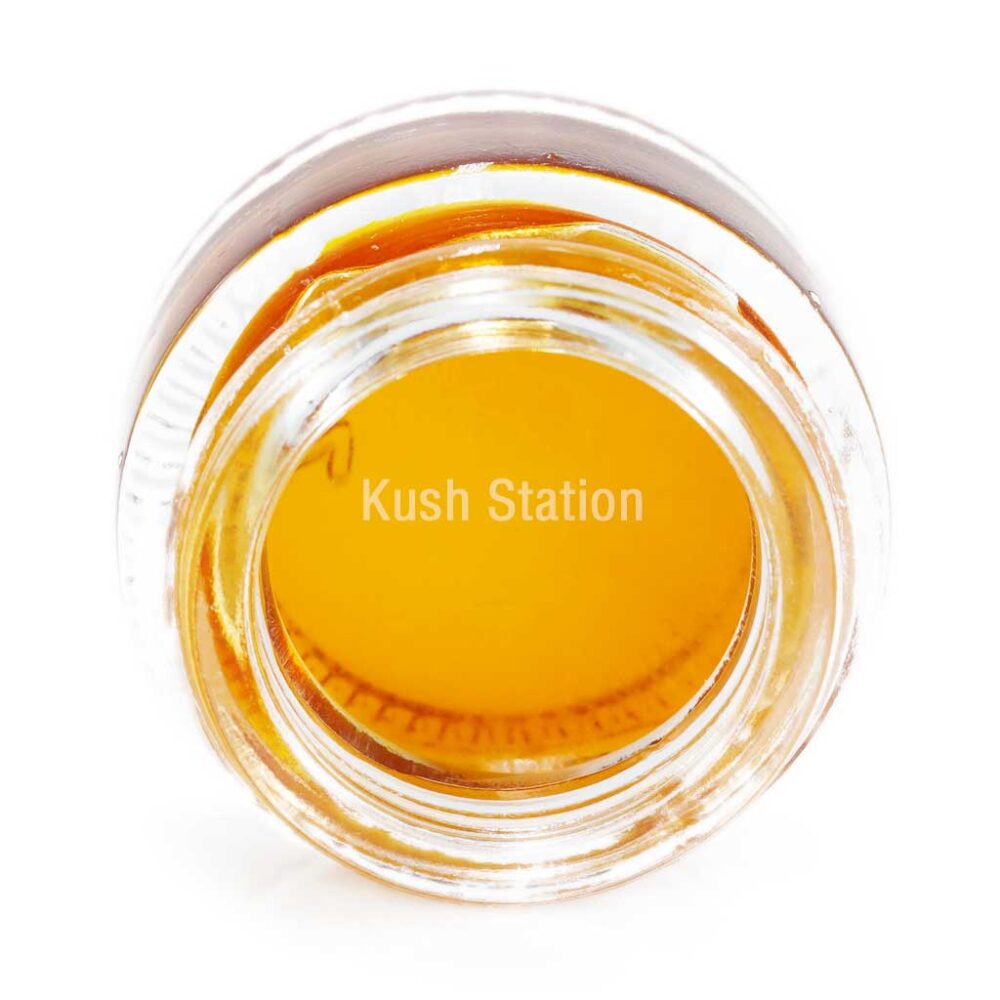
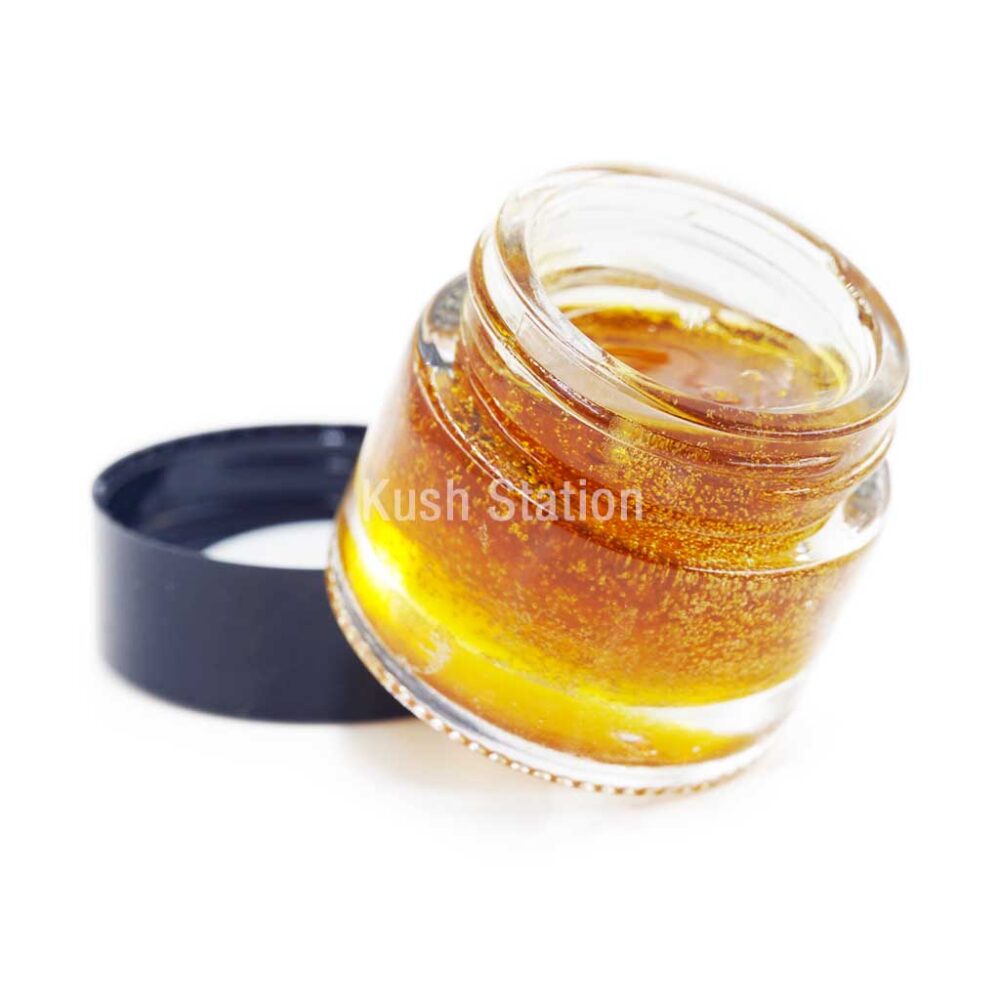
Honey oil is a type of cannabis concentrate that gets its name from its consistency and color. It is usually a thick, amber liquid that looks like warm honey. The texture can range from a runny syrup to a more viscous gel, depending on how it was made and which strain was used. What makes a potent honey oil different from standard concentrates is the way it preserves the full spectrum of cannabinoids and terpenes. That preservation is what gives it a richer, more nuanced experience.
How Potent Honey Oil Is Made
The best honey oils start with a careful extraction process. One method that has gained respect is live resin extraction. Live resin means the plant material was frozen immediately after harvest, before any drying or curing. Freezing locks in volatile terpenes that would otherwise evaporate. When you process frozen material, you keep more of the plant's original aroma and flavor. That is why a live resin honey oil can smell and taste so close to the living flower.
Another common method is CO2 extraction. This technique uses pressurized carbon dioxide to separate cannabinoids and terpenes from the plant matter. CO2 extraction is solventless, meaning no harsh chemicals like butane or ethanol are used. The result is a clean concentrate that many people find smoother on the throat. It is also a good option for those who want to avoid any residual solvents. For anyone seeking a potent honey oil, solventless methods are often the gold standard.
There is also BHO, or butane hash oil, which uses butane as a solvent. BHO can be very potent, but the process can leave trace impurities if not done carefully. Lab testing is critical here. A reputable producer will test their BHO for residual solvents and cannabinoid content. When you buy a potent honey oil, always look for lab results. They tell you exactly what is inside and confirm the potency you are paying for.
Potency and the Entourage Effect
Potency in a concentrate is not just about high THC numbers. THC is the main psychoactive cannabinoid, but it does not work alone. The entourage effect is the idea that all the cannabinoids and terpenes in the plant work together to create the overall experience. A potent honey oil that retains a broad profile of minor cannabinoids and terpenes will often feel more balanced than one that is just THC isolate.
For example, an Indica honey oil might be rich in myrcene and linalool, terpenes that promote relaxation and sedation. A Sativa honey oil might have higher limonene and pinene, which can be uplifting and clear-headed. Hybrid strains combine these profiles. A good producer will label the strain used, so you can choose based on the effects you want. Kush strains, for instance, are known for their earthy, piney terpene profile and tend to produce a heavy, calming high. A potent honey oil made from a Kush strain can be incredibly satisfying for evening use.
How to Use Honey Oil
Honey oil is a concentrate, so it is not meant to be smoked in a joint or pipe like dry herb. The most common way to use it is dabbing. Dabbing involves placing a small amount of concentrate onto a hot surface, usually a nail or banger attached to a dab rig. The heat vaporizes the oil instantly, producing a smooth vapor that you inhale. A dab rig is specifically designed for this. It has a water chamber to cool the vapor and a mouthpiece for easy inhalation.
Another popular option is a vaporizer made for concentrates. Many portable vaporizers have attachments or settings for wax and oil. You load a small amount of honey oil into the chamber, set the temperature, and inhale. Vaporizers are more discreet than a dab rig and allow for precise temperature control. Lower temperatures preserve more terpenes, giving you better flavor. Higher temperatures produce thicker vapor and a stronger hit, but you lose some of the subtle notes.
Nug Run vs. Live Resin: What Is the Difference?
You might see terms like nug run or live resin on product labels. Nug run means the concentrate was made from whole, unground flower buds, also called nugs. This is considered higher quality because it avoids using lower-grade trim or leaves. Nug run honey oil tends to be more flavorful and more potent. Live resin, as mentioned, uses fresh frozen plant material. Both methods can produce a potent honey oil. The choice often comes down to personal preference for flavor versus effect.
I have tried both, and I find that live resin honey oil has a brighter, more aromatic profile. The terpenes are more pronounced. Nug run honey oil feels a bit heavier and more full-bodied. Neither is wrong. It is about what you want from the experience. If you are new to concentrates, starting with a nug run product can be a good introduction. It is still very potent, but the effects are familiar to anyone who has smoked flower.
Lab Testing and Quality Assurance
Lab testing is not just a buzzword. It is a safety and quality measure. A lab report will show the percentage of THC, CBD, and other cannabinoids. It also checks for contaminants like pesticides, heavy metals, and residual solvents. When you buy a potent honey oil, you want to know that the potency claim is real. I have seen products labeled as 80% THC that tested at 60%. Lab reports protect you from inflated claims.
Testing also reveals the terpene profile. Some labs provide a full breakdown of which terpenes are present and in what ratios. This information can help you predict the flavor and effects. For instance, a high amount of beta-caryophyllene suggests a spicy, peppery note. High humulene gives a woody, earthy character. Knowing these details can make your choice more informed and more enjoyable.
Storage and Shelf Life
Honey oil is sensitive to heat, light, and air. Store it in a cool, dark place, preferably in an airtight container. Silicone containers are popular because they are non-stick, but they can absorb terpenes over time. Glass jars with a tight seal are better for long-term storage. Keep your honey oil away from windows and heat sources. If it gets too warm, it can become runny and lose some volatile compounds. Properly stored, a potent honey oil can retain its quality for several months.
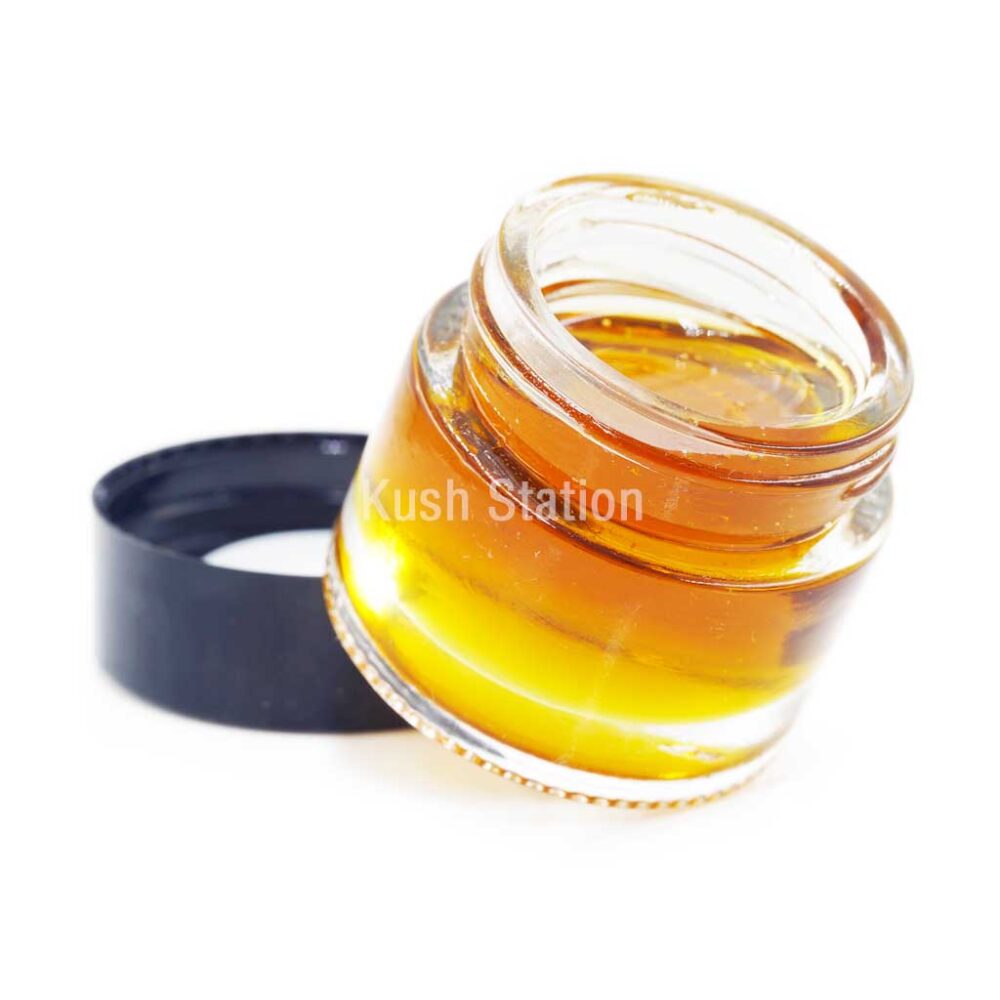
I once left a jar of honey oil on a sunny counter for a week. The color darkened noticeably, and the flavor became flat. It was still potent, but the complexity was gone. That experience taught me that storage matters as much as the extraction method. Treat your concentrate with care, and it will reward you with a better experience.
Final Thoughts
Finding a potent honey oil that suits your preferences takes a little experimentation. Start with a small amount and see how it hits. Pay attention to the flavor, the smoothness, and the duration of the effects. Over time, you will develop a sense for what you like. Whether you prefer a dab rig or a vaporizer, the key is to respect the concentrate. It is more concentrated than flower, so a little goes a long way. With the right product and the right technique, honey oil can offer a clean, flavorful, and powerful cannabis experience.